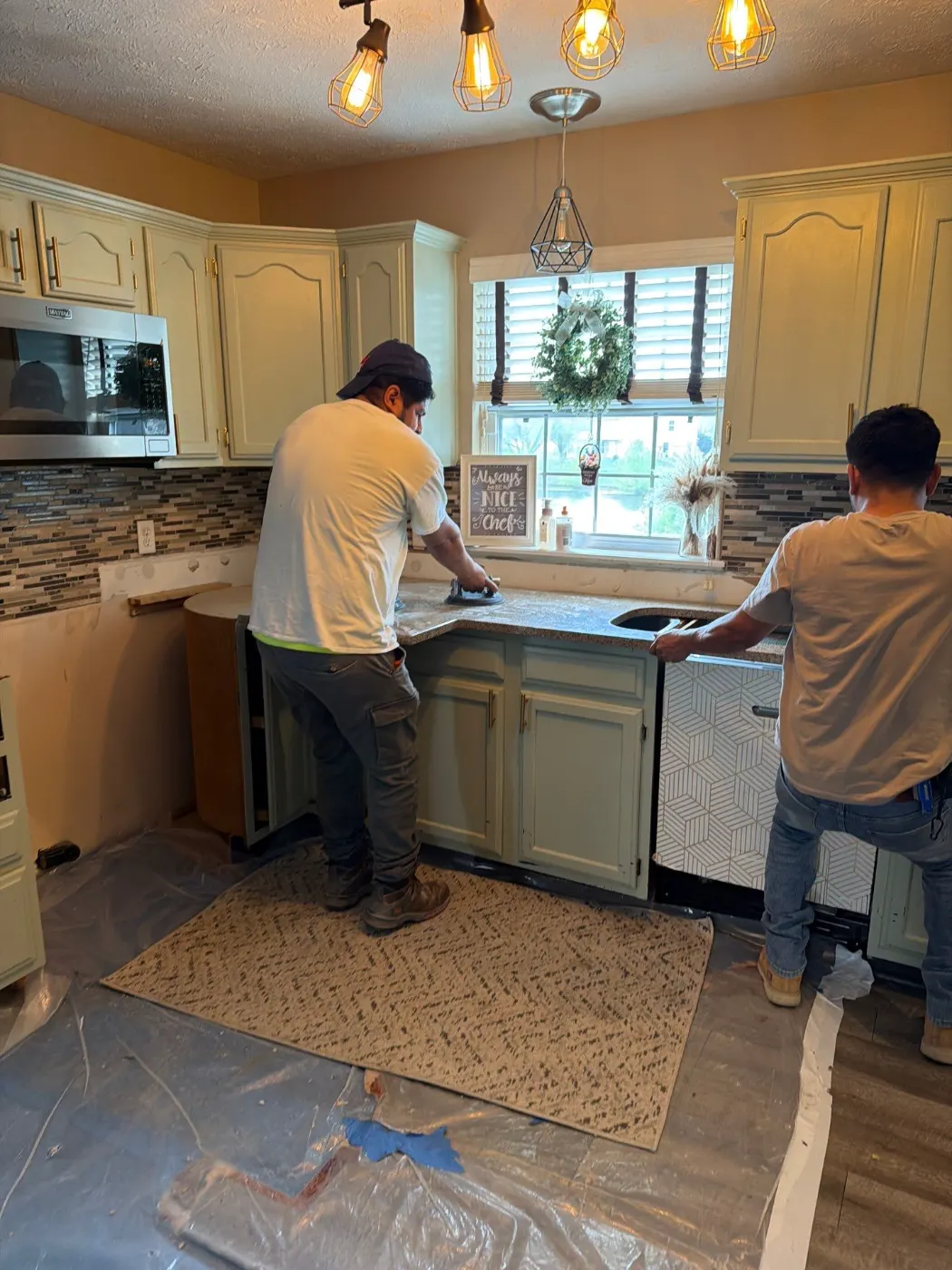
Commercial Storm Damage in Glen Oaks Commons, IN
Low slope roof failures and the floors below them. Glen Oaks Commons Water Restoration dries Glen Oaks Commons commercial buildings while the tenants keep working.
Searching for Commercial Storm Damage near Glen Oaks Commons? Glen Oaks Commons Water Restoration dispatches 24/7, documents everything, and works with your insurance carrier from first call to final walkthrough. Call (765) 436-6771.
- Service: Commercial Storm Damage for Glen Oaks Commons homeowners
- Service area: Glen Oaks Commons, IN and surrounding areas
- Response time: 24/7 answering with priority emergency dispatch across Glen Oaks Commons
- Licensed and insured (License #RC21100059)
- Serving Glen Oaks Commons, IN since 2018
Commercial Storm Damage for Glen Oaks Commons Businesses
A warehouse slab that took on a few inches of storm water looks dry by the next afternoon and isn't. Concrete holds moisture long after the surface sheds it, and whatever's stored on that slab absorbs what the concrete releases. Glen Oaks Commons Water Restoration brings desiccant drying capacity to commercial losses in Glen Oaks Commons, IN, measures the slab with the right instrument, and gives you readings you can show a tenant.
Commercial storm water work in Glen Oaks Commons follows the IICRC S500, Fifth Edition, from 2021, and the IICRC S520 applies if wet insulation or gypsum has started growing mold. Glen Oaks Commons Water Restoration logs temperature, humidity and material moisture daily against a dry standard from an unaffected part of your building, so the drying progress is on paper. The company's water restoration manager is IICRC certified.
When a rooftop unit curb leaks, the duct below it becomes part of the job. The crew checks the supply and return runs for wet lining and dries the ceiling space the duct crosses. Replacing damaged duct lining is a call for your HVAC contractor, and Glen Oaks Commons Water Restoration shares the moisture readings with them at your Glen Oaks Commons property.
If your policy carries business interruption or extra expense coverage, the drying schedule becomes part of that calculation. Glen Oaks Commons Water Restoration logs which areas were unusable and for how long, with dates and photos, so your accountant and your broker have something to work from. The claim belongs to you and your carrier. The team supplies the facts the file needs and answers questions in writing.
A storm loss at your Glen Oaks Commons property gets read by ownership, tenants, your broker and a carrier's reviewer, so the file has to work for all four. Call Glen Oaks Commons Water Restoration, and the first visit starts building that file.
Signs You Need Commercial Storm Damage Restoration
If you notice any of these in your Glen Oaks Commons building, schedule a free inspection before the issue worsens.
Dock concrete that stays dark and cool to the touch for days after the surface water is gone
Vinyl cove base curling or pulling away from the wall along an exterior wall
Metal door frames rusting at the base, with the gypsum board around them swelling
Rust on the metal stud track at the bottom of a wall cavity once an opening is cut
Leak sensors or pit alarms going off in a mechanical room or IT closet during a storm
Stored records or fixtures with wet edges or water stains along the bottom
Water beading on the inside of curtain wall mullions or collecting on the sill
Interior wall base swelling, delaminating, or pulling away from the gypsum behind it
A musty, earthy smell at a return air plenum or coming out of a corridor diffuser
Floor drains or cleanouts that gurgle or push water up during a heavy rain
How Glen Oaks Commons Water Restoration Handles Commercial Storm Damage
We follow these steps in order on every Glen Oaks Commons job.
First Call Intake
On the call, the team gathers where the water is entering, which areas are occupied, who holds keys and alarm codes, and who can authorize work, so the crew shows up at your Glen Oaks Commons property with the right equipment and the access it needs.
Water Path Check
The crew traces the water from the roof breach down through the ceiling to the floors below and photographs the path. Water that backed up out of a drain tied into a sanitary line gets handled as sewage, and that call drives the protocol.
Extraction and Debris Removal
Standing water comes off floors with portable and truck mounted units. Saturated lay in tile and wet batt insulation get bagged and hauled out. Water held in the plenum is released through controlled openings so it stops dripping onto tenant equipment.
Midpoint Scope Review
Partway through the job, the crew compares the readings with the projected equipment period and tells the property manager if the schedule or the scope has moved. Added removal is photographed and explained before the work starts.
Dry Standard Verified
Affected materials have to match the dry standard measured in an unaffected part of the same building before equipment comes out. Final readings, photos and equipment run hours go in the file, and a punch walk sets what's left to rebuild.
Commercial Storm Damage in Glen Oaks Commons
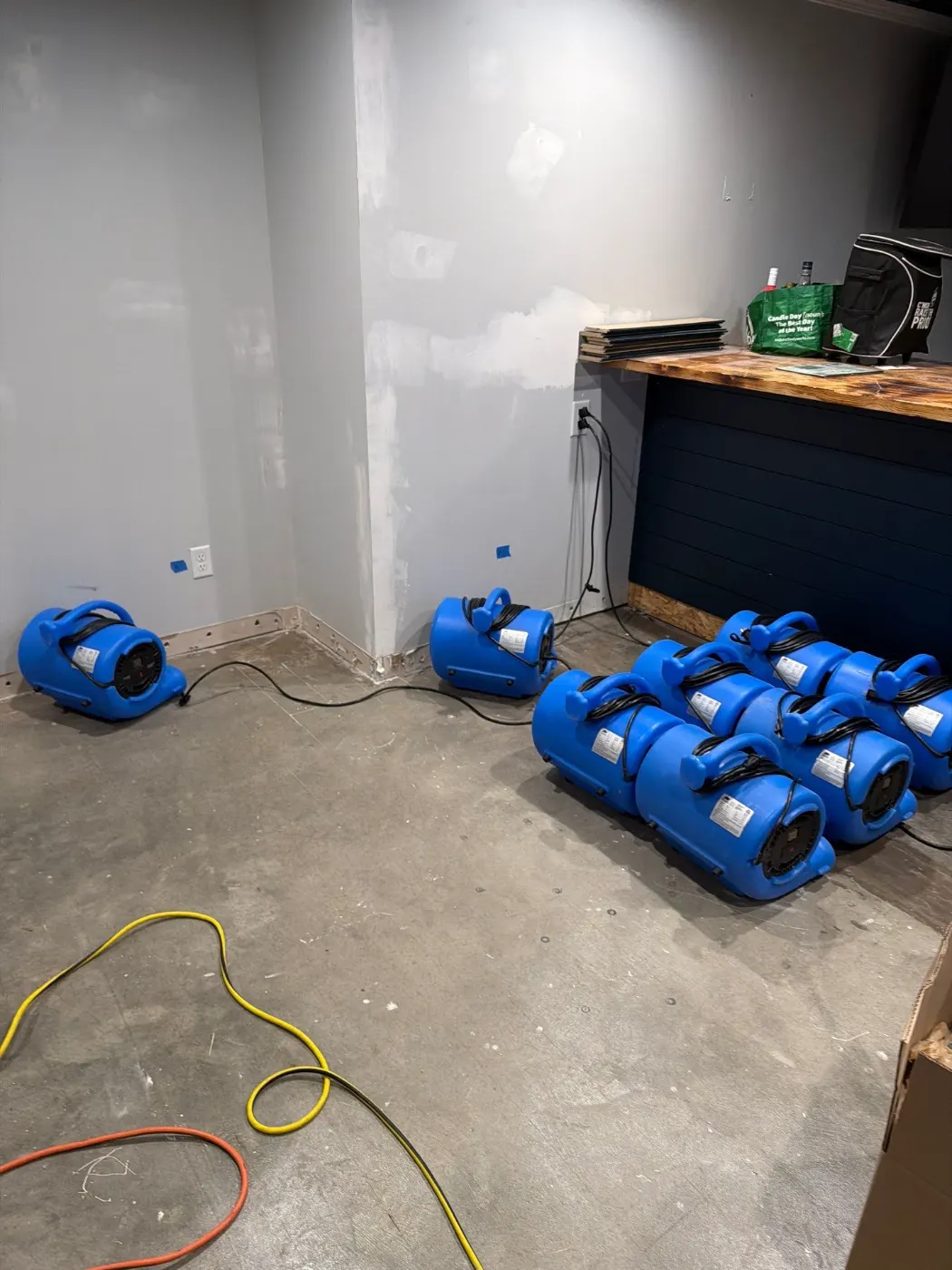
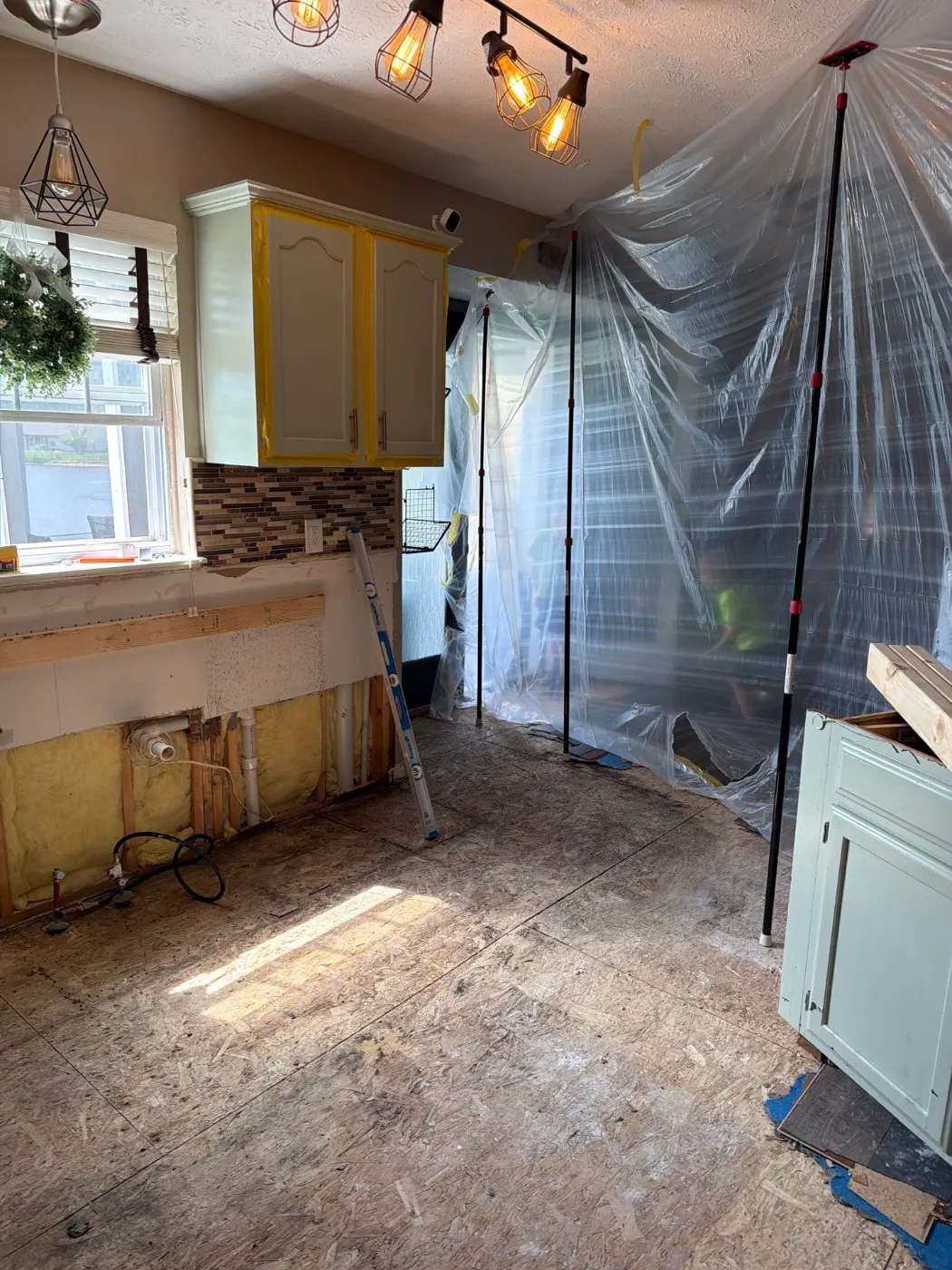
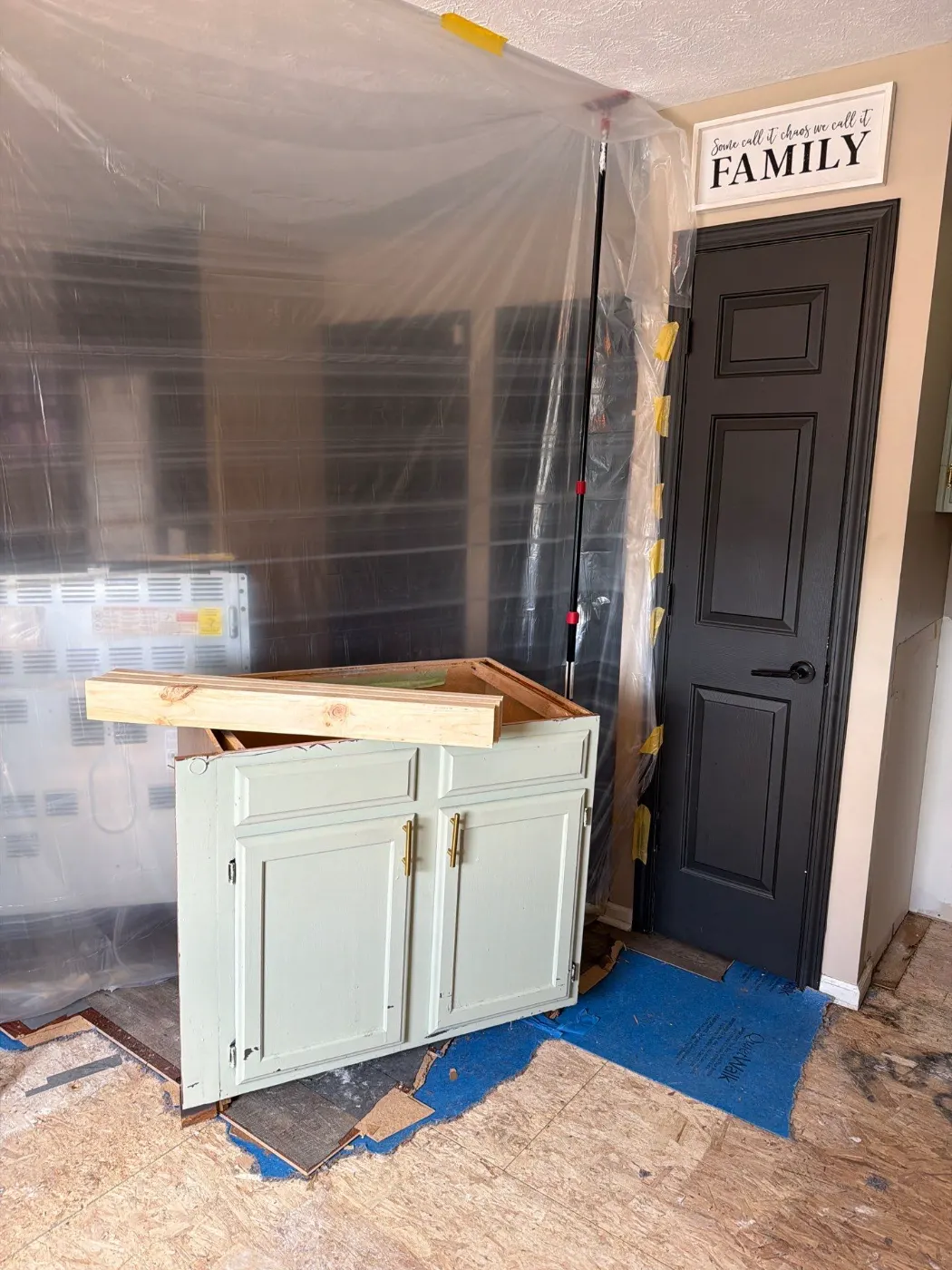
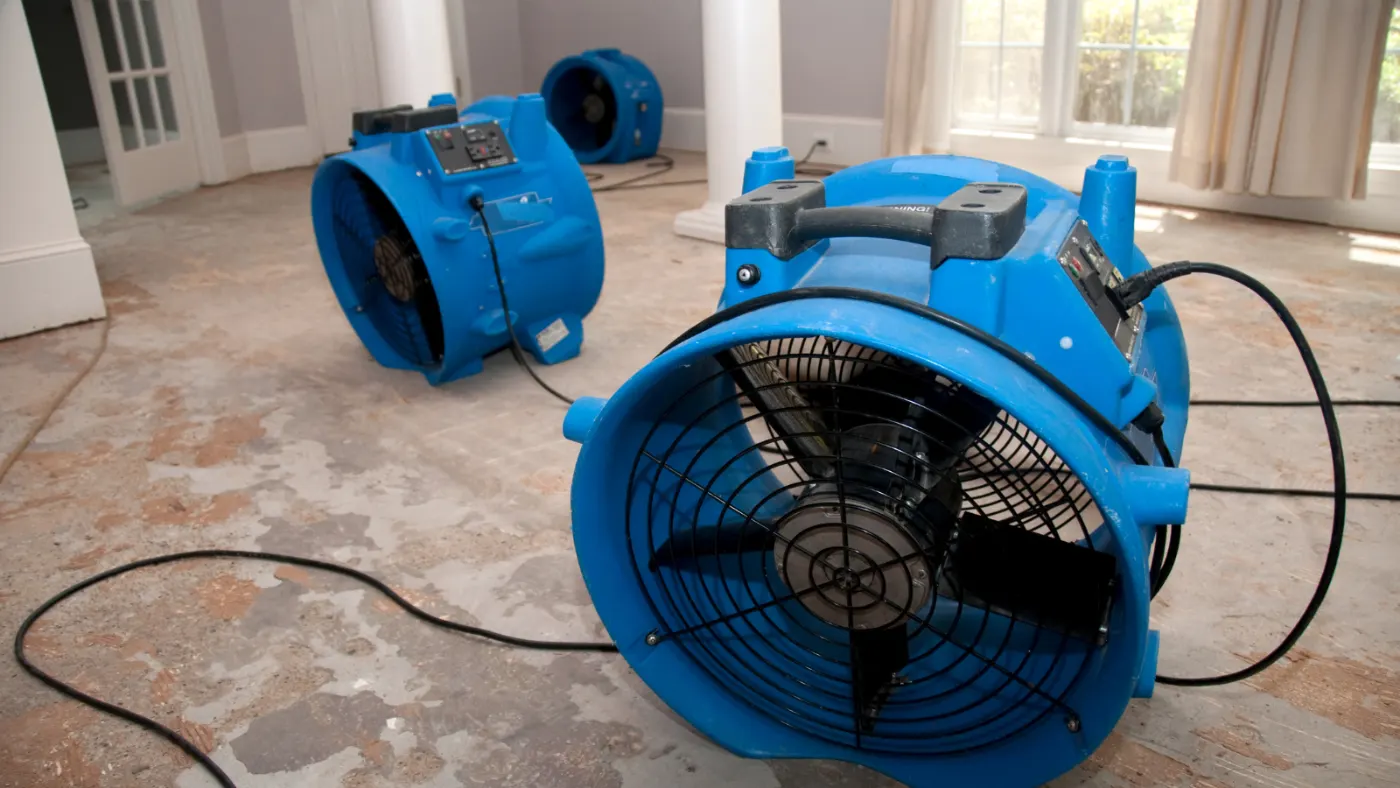
Photographs from real commercial storm damage jobs completed by our crew in Glen Oaks Commons and surrounding areas.
Commercial Storm Damage FAQ
Questions Glen Oaks Commons property managers ask us about commercial storm damage restoration.
Guidance and Standards for Commercial Storm Damage
- The National Weather Service office in Indianapolis posts summaries of recent central Indiana storm and flood events. NWS Indianapolis Event Summaries
- The ANSI/IICRC S500 is the published standard for professional water damage restoration. The current edition is the Fifth Edition, 2021. IICRC S500 Standard
Glen Oaks Commons Neighborhoods We Serve
We take commercial storm damage calls in every part of Glen Oaks Commons. Pick your neighborhood for local details.
Other Restoration Services in Glen Oaks Commons
Glen Oaks Commons Water Restoration handles the full scope of restoration work. Explore our other services below.
Water Damage Restoration in Glen Oaks Commons
24/7 emergency response. IICRC certified water restoration from extraction to full dry out.
Learn more →Basement Flooding in Glen Oaks Commons
Basement water emergencies handled fast. Extraction, drying, mold prevention.
Learn more →Sewage Cleanup in Glen Oaks Commons
Category 3 biohazard cleanup. Full containment, decontamination, structural restoration.
Learn more →Request Commercial Storm Damage Restoration
Reach Us Directly
Our team is available 24/7 for emergencies and ready to schedule inspections during business hours.
Need Immediate Help?
For active water or mold emergencies, call us directly. We are available 24/7.